
Advancing Accountability for Water: Lessons from the Evidence to Action (E2A) Conference 2026
By Mwajuma Salum Basho
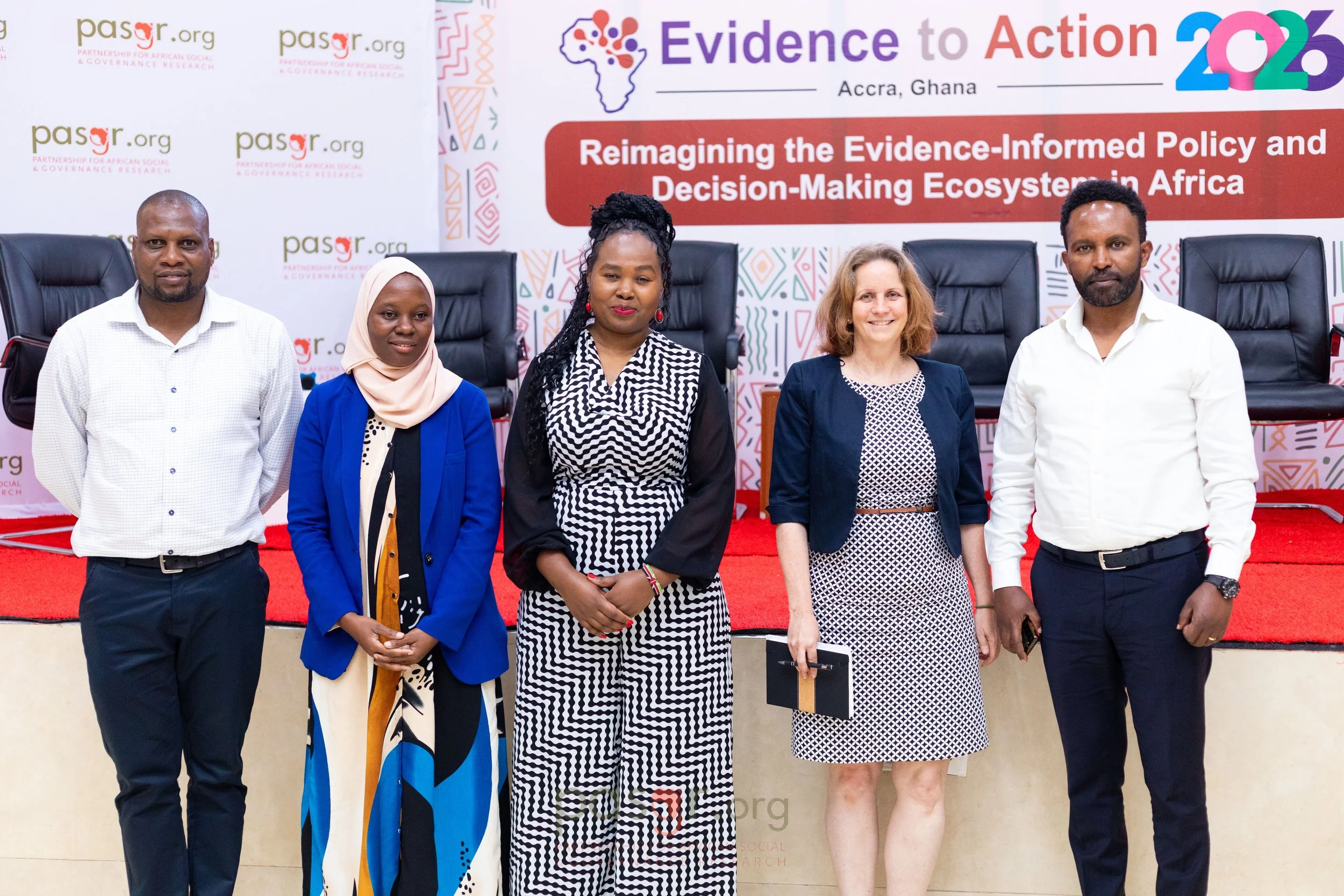
From 22 to 26 June 2026, partners of the Accountability for Water (AfW) Programme participated in the Evidence to Action (E2A) Conference 2026, held at the Institute of Statistical, Social and Economic Research (ISSER), University of Ghana, under the theme: "Reimagining the Evidence-Informed Policy and Decision-Making Ecosystem in Africa." The conference brought together policymakers, researchers, civil society organisations, think tanks, development partners, and funders from 17 African countries to explore how evidence can be better generated, communicated, and translated into policy and action across the continent.
The AfW Programme was represented through a joint presentation titled: "From Community Evidence to Impact: Closing Water Governance Accountability Gap in Africa." The presentation was delivered by the AfW consortium, comprising: Miss Mwajuma Salum Basho – Shahidi wa Maji (Tanzania), Essayas Samuel – Water Witness Ethiopia, Joan Kones – Kenya Water and Sanitation Network (KEWASNET), and Martin Kapchanga – Partnership for African Social and Governance Research (PASGR). The session highlighted practical experiences from Tanzania, Kenya, and Ethiopia, demonstrating how citizen-generated evidence, social accountability, and multi-stakeholder engagement can strengthen water governance and improve water security outcomes.
A major achievement of our participation in the conference is that the AfW case study was selected as one of the Top 13 to inform the development of an African Guidebook on Evidence-Informed Policy, which will be published later this year. This achievement directly contributes to AfW Outcome Indicator 1.2, which seeks to ensure that AfW knowledge products are understood, valued, and used by decision-makers at local, national, regional, and global levels.
The conference generated valuable lessons that will continue to shape the future of evidence-informed policymaking in Africa.
Democratise Evidence: Ensure evidence reaches citizens, policymakers, and practitioners—not just academic journals and conferences.
Institutionalise Evidence Use: Embed evidence in government policy formulation, planning, budgeting, and decision-making processes.
Recognise African Knowledge Systems: Integrate community knowledge and lived experiences alongside scientific research.
Strengthen Evidence Ecosystems: Foster collaboration among governments, civil society, academia, think tanks, and research institutions.
Harness Emerging Technologies Responsibly: Promote the ethical and responsible use of Artificial Intelligence (AI) and other digital innovations to improve evidence generation and uptake.
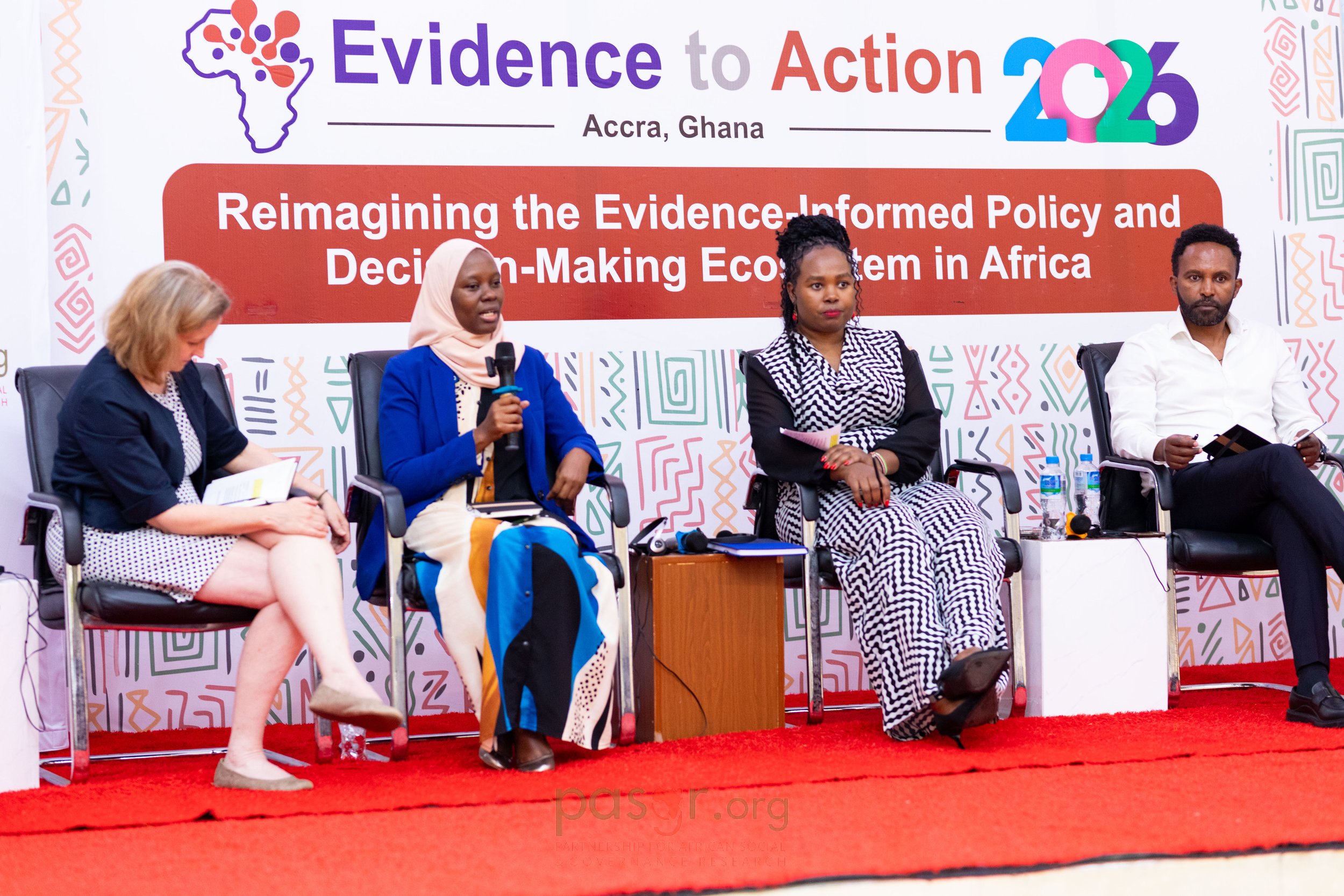
For the Accountability for Water (AfW) Programme, the conference provided an opportunity to showcase successful accountability pathways from East Africa while learning from innovative evidence-to-action approaches across the continent. The recognition of the AfW case study among Africa's top evidence-informed policy examples demonstrates the value of citizen-generated evidence and collaborative accountability in improving water governance. It also reinforces the potential for scaling up these approaches both within the AfW partner countries and across other African countries.
