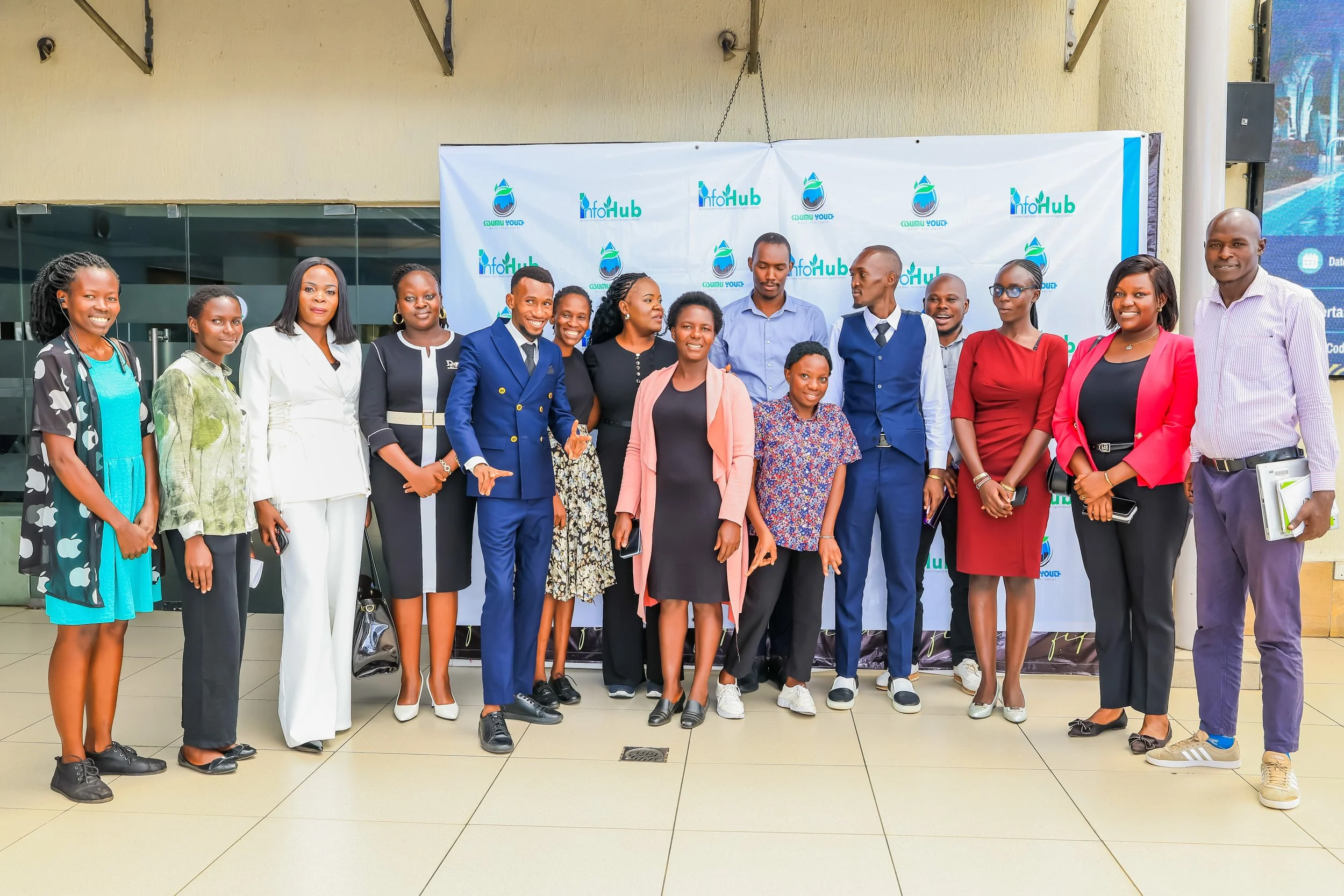
Kisumu Youth WASH Parliament Lead Water Governance Shift with SDG Indicator 6.5.1 Report and InfoHub Launch
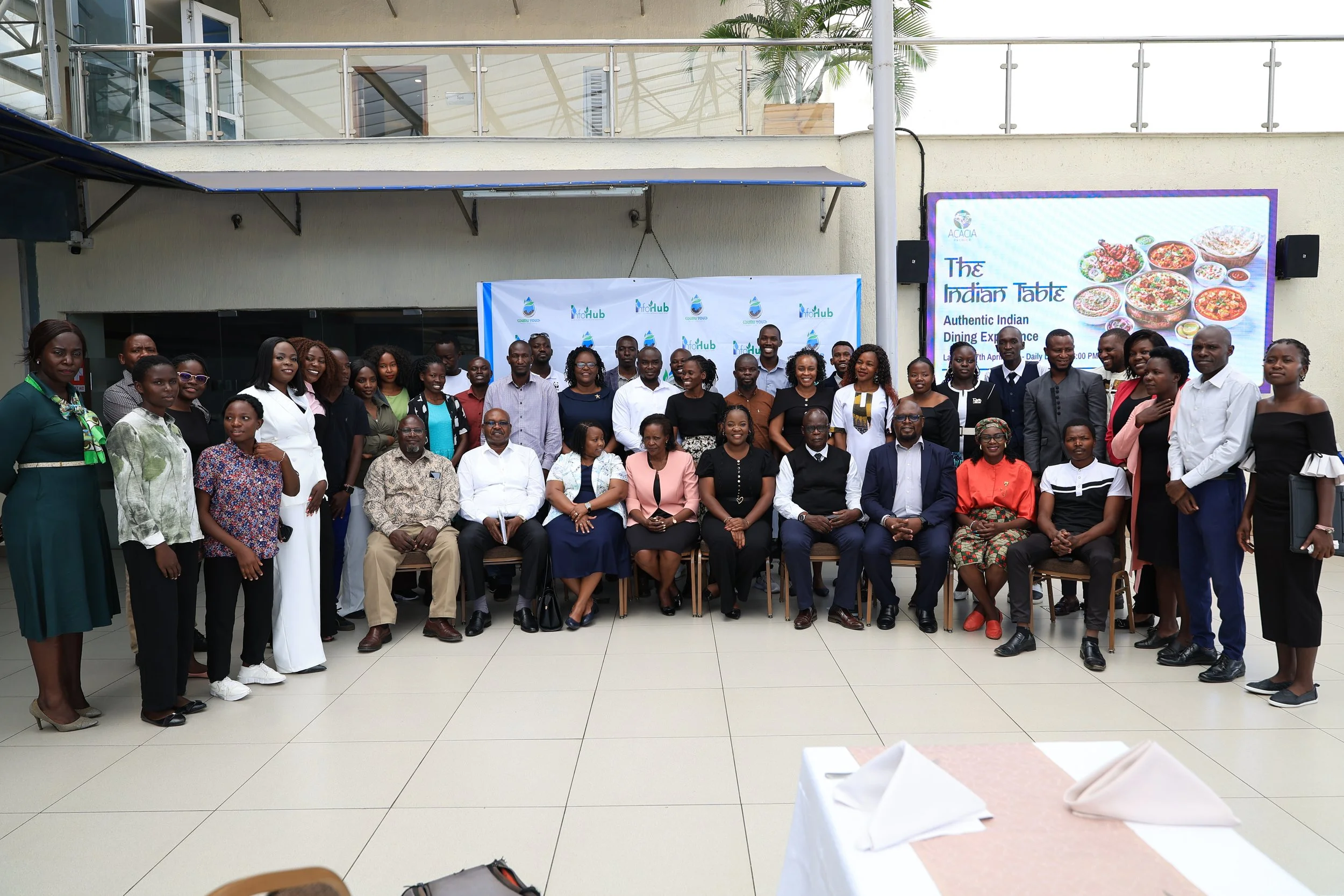
Kisumu County yesterday marked a watershed moment in youth-led water governance with the launch of the Kisumu Youth WASH Parliament SDG Indicator 6.5.1 Report alongside their new WASH–WRM information repository, InfoHub. The back‑to‑back launches signal a bold transition from ad‑hoc advocacy to evidence‑driven, institutionalised accountability in the county’s water sector.
Joash Asiko introduced the Kisumu Youth WASH Parliament, highlighting achievements including the 2024 youth summit, digital WASH campaigns, school outreach program, social accountability work, IWRM research, and the launch of an Info Hub data repository.
William Magwa presented SDG Indicator 6.5.1 findings in Kisumu County. The assessment underscores that achieving effective Integrated Water Resources Management requires more than the existence of laws and institutions; it demands coherence, capacity, participation, and sustained financing across all dimensions of IWRM. While Kisumu County has established a reasonable enabling environment, weaknesses in institutional effectiveness, management tools, and financing continue to limit progress. These gaps are interconnected: inadequate financing weakens institutions, weak institutions undermine enforcement and participation, and poor management instruments limit evidence based decision making. Addressing these challenges through coordinated reforms, inclusive governance, strengthened planning tools, and transparent, climate responsive financing will be critical for moving Kisumu County from medium low toward higher levels of IWRM implementation.
Dick Orongo showcased the InfoHub, a mobile-friendly platform centralizing WRM and WASH policies from global to county level, improving transparency and evidence-based advocacy across Kenya. This youth-led information hub seeks to improve access to reliable and structured data and information. It provides a practical solution to the problem of limited public access to information through the KYWP website, highlighting both best practices and governance gaps. It consolidates not only national-level resources but also county-level documents and data relevant to Kisumu County, including county legislation, development plans, sector performance reports, and governance guidelines. This localization of information will strengthen transparency within county governance systems by enabling citizens, civil society organizations, researchers, and policymakers to easily access the documents required to monitor sector commitments and track progress.
Beyond sector performance data, the repository hosts a structured and searchable archive of key governance instruments, including Acts of Parliament, policy frameworks, laws, regulations, and sector budget allocations and expenditures.
The speaker of the parliament, Victoria Adwet, emphasized youth-led efforts to bridge data access gaps in water governance, calling for partnerships, resources, and institutionalized youth participation to shift power toward informed, community-driven action.
Speaking to the youth, county officials, and sector partners, Malesi Shivaji, the CEO of KEWASNET, framed the day as more than a technical milestone. He described InfoHub as “a living, evolving space where data meets dialogue, where evidence meets action and where youth voices meet decision making,” stressing that it is designed to turn young people into “curators, analysts, storytellers and watchdogs within the WASH sector.
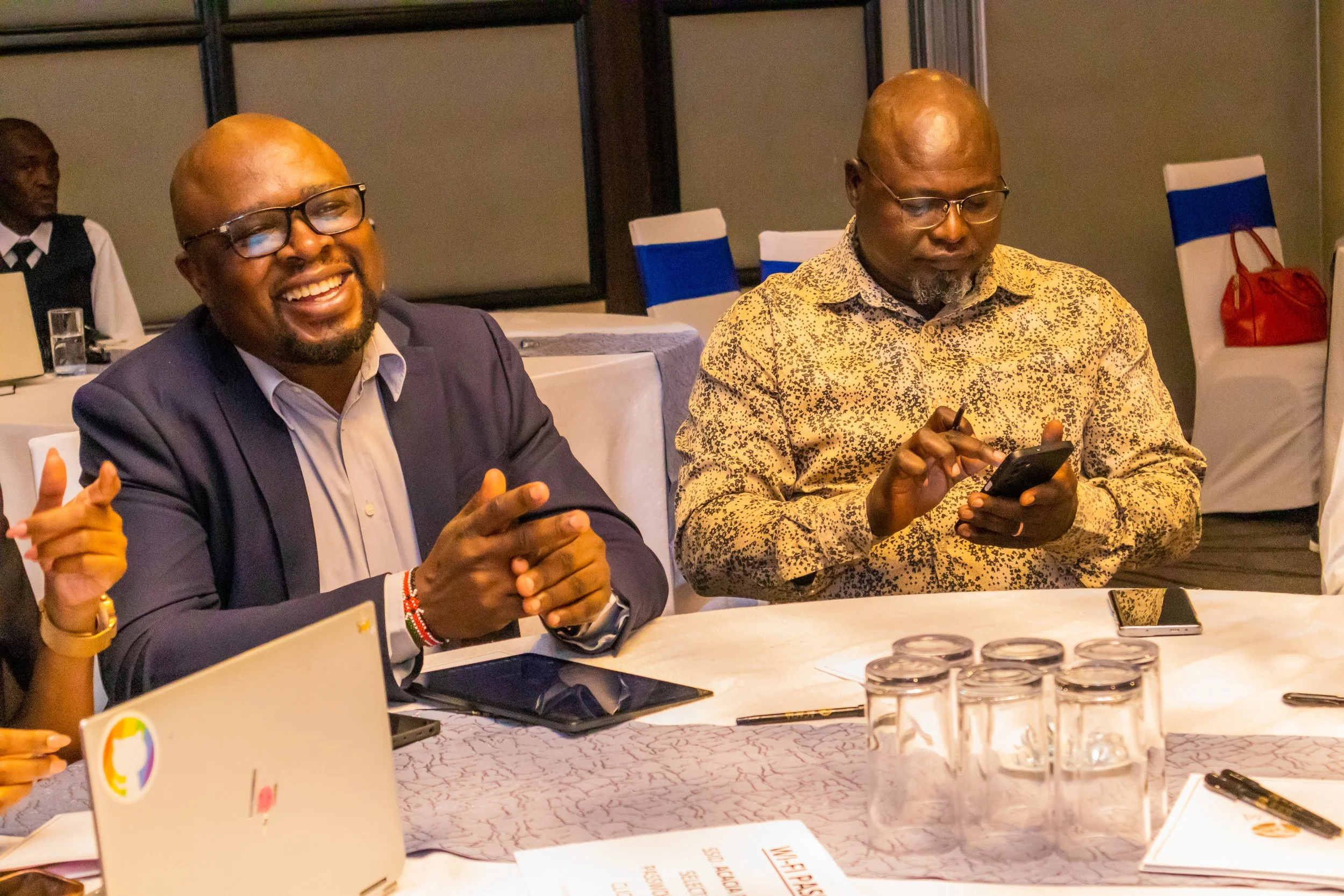
Dr. William Ojwang, IWRM Consultant, emphasized that water originates from catchments, not taps, advocating for a full value chain approach to downstream water resource management. He linked the Kisumu Youth WASH Parliament's SDG 6.5.1 report to a regional programme supported by the Embassy of the Netherlands, focused on securing critical catchments and improving land-use practices. He also highlighted a significant data gap, noting that the national government has struggled to report on SDG 6.5.1 due to a disconnect between national policy and county-level implementation. He stressed that the project deliberately engaged committed youth to demonstrate that grassroots actors can harness data for real accountability.
From the county’s side, the Kisumu County CECM for Water, Environment, Natural Resources, and Climate Change, Ms Judith Oluoch, used her keynote address to formally anchor InfoHub and the report in Kisumu’s governance agenda. She called the platform “far more than a digital platform. It is a governance instrument… a bridge that connects evidence to planning, planning to budgeting, and budgeting to tangible service delivery.” Emphasising a shift “from assumption‑based planning to data‑driven decision making,” she vowed that “this report will not sit on shelves. It will directly evolve our policy requirement, set our prioritisation and implementation strategies.”
Other partners underlined the regional and continental significance of Kisumu’s youth‑led model. Dr Sam Oando of PASGR situated the work within the Accountability for Water consortium. He praised the Youth Parliament’s work as a global‑standard example of turning research into accessible evidence: “When it’s brought into a hub like this, with collections of policy documents in the water sector, then we are sorting the challenge. I am happy to declare that through the work of the Youth Parliament, we already have evidence documented for accountability,” said Dr Oando.
Crucially, he challenged institutions to use the platform, warning that if local actors fail to act on the data, “someone in the Netherlands will be using it, then they come back to tell you what you told them, and it comes back like new information.” Accountability, he argued, now requires Kisumu’s youth to ensure that the data collected is used to hold our decision makers accountable.
Phylis Chepkemoi, the Board Chairperson of KIWASCO, discussed the complexity and fragmentation in Kenya's water sector, noting the high number of institutions and the lack of coordination. She highlighted the need for better communication and accountability, emphasizing the role of young people in driving change. She urged the Youth Parliament to use the platform to surface overlaps in projects and propose coordinated, more cost‑effective solutions.
Regina Mutheu of the Society of Clerks at the Table in Kenyan Legislatures (SOCATT‑K), highlighted how the initiative reverses traditional power dynamics between youth and government. She said, “It shifts the whole power conversation when it is you inviting everybody else to the table and saying, this is what we care about, and this is how we expect you to act on it.” She celebrated the Youth Parliament for proving that young people are not only consumers of data, but also producers of data, analysts of data, and accountability actors.
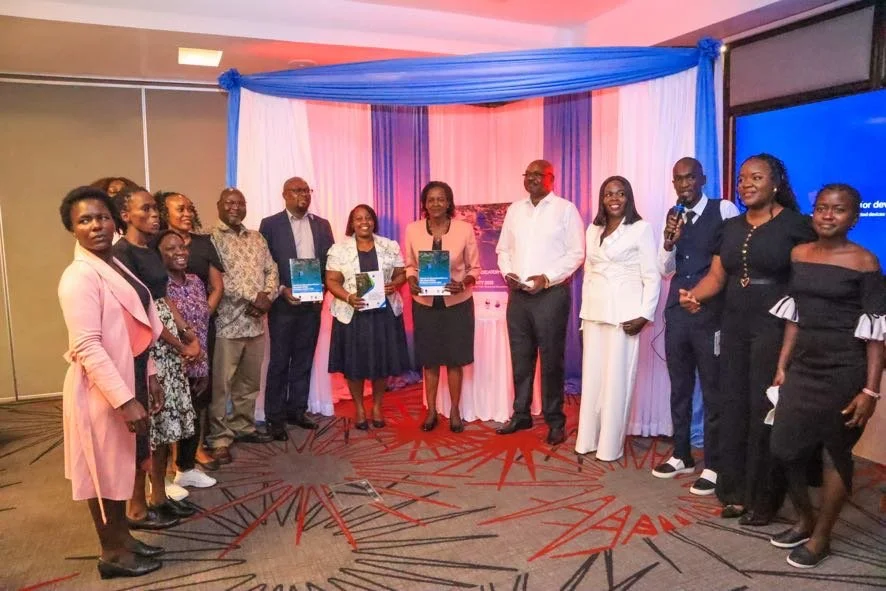
As the event unfolded, one message rang clear: Kisumu Youth WASH Parliament is no longer asking to be included; it is defining the agenda. As Malesi Shivaji concluded, he said that the launch is igniting a movement where knowledge is shared, power is distributed, and accountability is embraced together, calling on youth not just to be informed, but empowered, not just hopeful, but impactful.